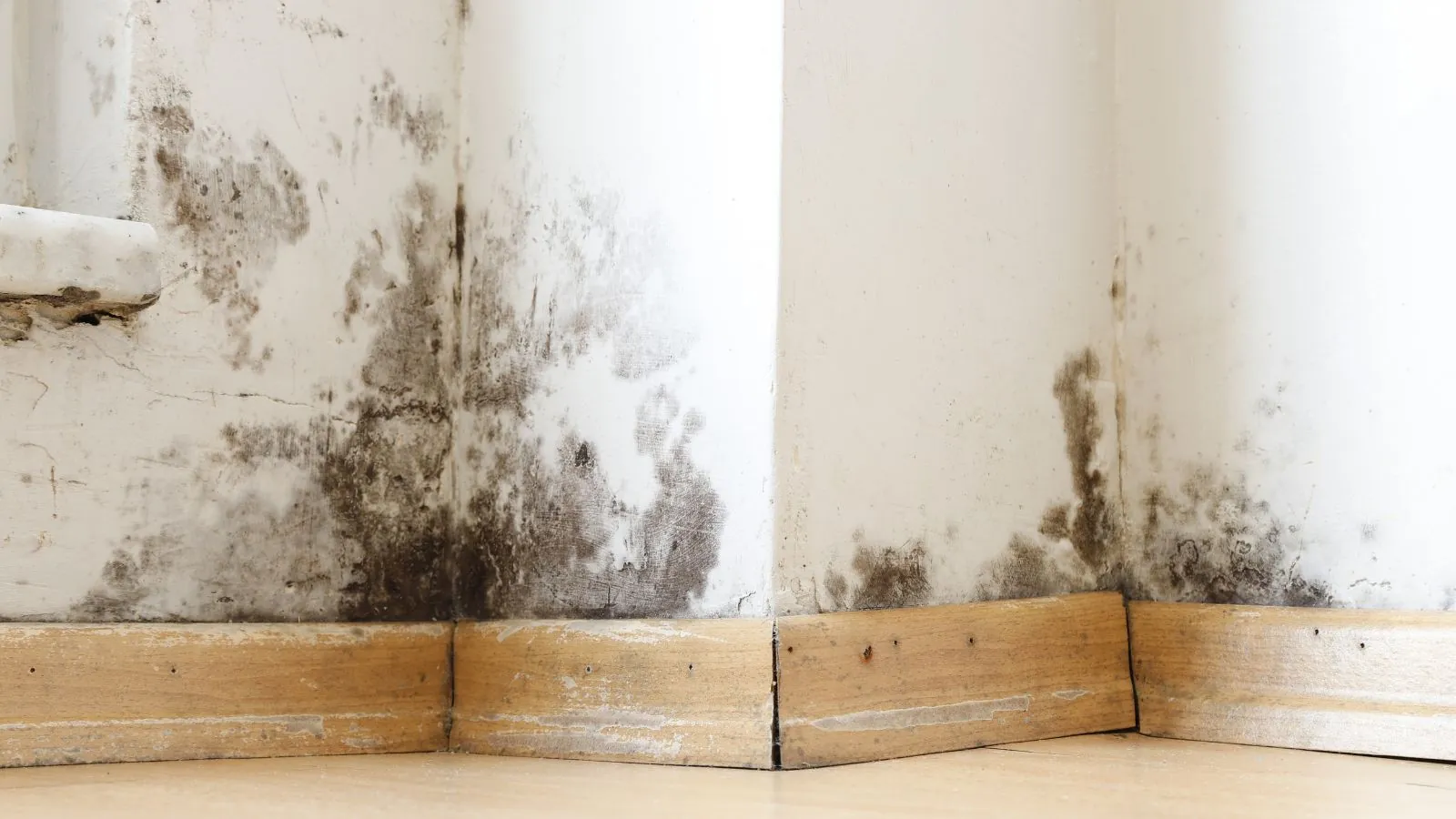
Black Mold in a Bathroom in Sachse, TX: Facts and Next Steps
Black spots in a bathroom worry people, and the label gets used loosely. This page explains what color can and cannot tell you and how to proceed.
Black mold in a bathroom is a common phrase but not a diagnosis. Dark spots can be mold, soap residue or mineral stain, and color cannot tell them apart. If the spots are small and sit on a hard surface, you can clean them under Texas rules. If they are large, on soft material or keep returning, treat it as a moisture problem and call a licensed professional.
What the phrase actually means
People say black mold to mean any dark growth. In practice, mold appears in many colors and textures, and the dark ones are not automatically more serious than the pale ones. We do not make health claims or diagnose anything, and questions about health belong with a physician.
What matters for your home is how much is present, what it is growing on and why it is wet. Those three facts decide the next step.
Look before you decide
- Try wiping it. Residue and stains often wipe off while growth leaves a mark.
- Check the size. Measure the area in square feet.
- Check the material. Tile and grout are different from drywall and wood.
- Look for a leak. Stained ceilings below, loose tile or a soft wall point to water.
- Note the smell. A strong musty odor suggests ongoing moisture.
Photograph the area with a ruler for scale. That record helps you, an assessor and an insurer.
The Texas rules in plain terms
The Texas Department of Licensing and Regulation licenses mold assessors and remediators. Visible mold under 25 contiguous square feet can be cleaned by unlicensed people. Areas of 25 contiguous square feet or more require a licensed remediator, with a notification filed. A company cannot assess and remediate the same project.
Those rules are about size and independence, not color. A small black patch and a small gray patch fall under the same rule.
Testing and what it can tell you
A licensed assessor inspects the home, may collect samples and writes a protocol that sets what the remediator does. After the work, the assessor checks the area. The paperwork can matter if you sell or refinance.
Testing is not always needed. For a small patch on grout, cleaning and fixing the ventilation may be all that is required. For a large area or a hidden source, a protocol keeps the work honest.
Why bathrooms grow dark spots
Steam, closed doors and weak fans leave walls damp. Caulk lines and grout hold water and give growth a foothold. Under the surface, a leaking valve or a failing pan can keep drywall wet for weeks. According to the state insurance department, growth can start within a day of a leak.
Insurance treats mold carefully. TDI says mold cleanup and testing are often excluded or limited. If the cause was a sudden leak, report it promptly and read the mold section of your policy.
Mistakes that make bathroom growth worse
Scrubbing hard with a dry brush throws particles into the air, so wet the surface first. Spraying a cleaner and walking away leaves the wall wet, which defeats the purpose. Caulking over damp grout traps moisture behind a new bead.
Another common mistake is treating the same spot every month without asking why it returns. A repeat spot is information. It tells you water is still reaching that location, and the cheapest fix is almost always finding the source.
Questions to ask before hiring anyone
Ask whether the company is licensed for the work you need, whether it will provide a written scope and who performs the final check. Ask what happens if moisture readings stay high after cleaning. A clear answer shows the crew has a plan.
Be cautious with anyone who names a price before seeing the room or who promises a result. Honest contractors explain scope and price before work starts, and they tell you when a job is small enough to handle yourself.
Sachse notes: homes and rules
Basements are uncommon in Texas, according to KUT reporting, and most Sachse homes sit on slabs. A leak in a bathroom wall therefore tends to wet the wall and slab edge. The City of Sachse maintains water lines up to the meter, and a private leak after that is the owner's repair.
If walls have to be rebuilt, ask the city whether the work needs a permit first. Development Services can be reached at 469-429-4781.
What a good job includes
Moisture readings, a plan for each material, containment so dust does not spread and a clear statement of what was removed. Never promise yourself that mold will not return. Instead, fix the source and keep the room dry. Related pages: mold remediation and water damage cleanup.
We serve Sachse, Garland and Lavon. Call (972) 945-2885 to describe what you see.
Frequently asked questions
No. Mold comes in many species and colors, and color alone does not identify one. Dark spots can also be dirt, soap residue or old stains.
Only lab testing by a licensed assessor can identify a species.
Home test kits give limited information. The result does not tell you how much is present or where it started.
A licensed assessor inspects, samples and writes a protocol.
On hard surfaces under 25 contiguous square feet, unlicensed cleanup is allowed in Texas. Wear protection and dry the area afterward.
If it is on soft materials or keeps returning, stop and get advice.
Mineral deposits and soap scum can look dark, and some water carries dissolved metals. Sachse hardness in 2025 ranged from 96 to 200 parts per million.
A stain that wipes off fully was not growth.
Water spreading right now? Call the 24/7 line
A restoration crew can be sent to Sachse and nearby towns around the clock. Tell dispatch what happened and what you can see.
☎ Call (972) 945-2885