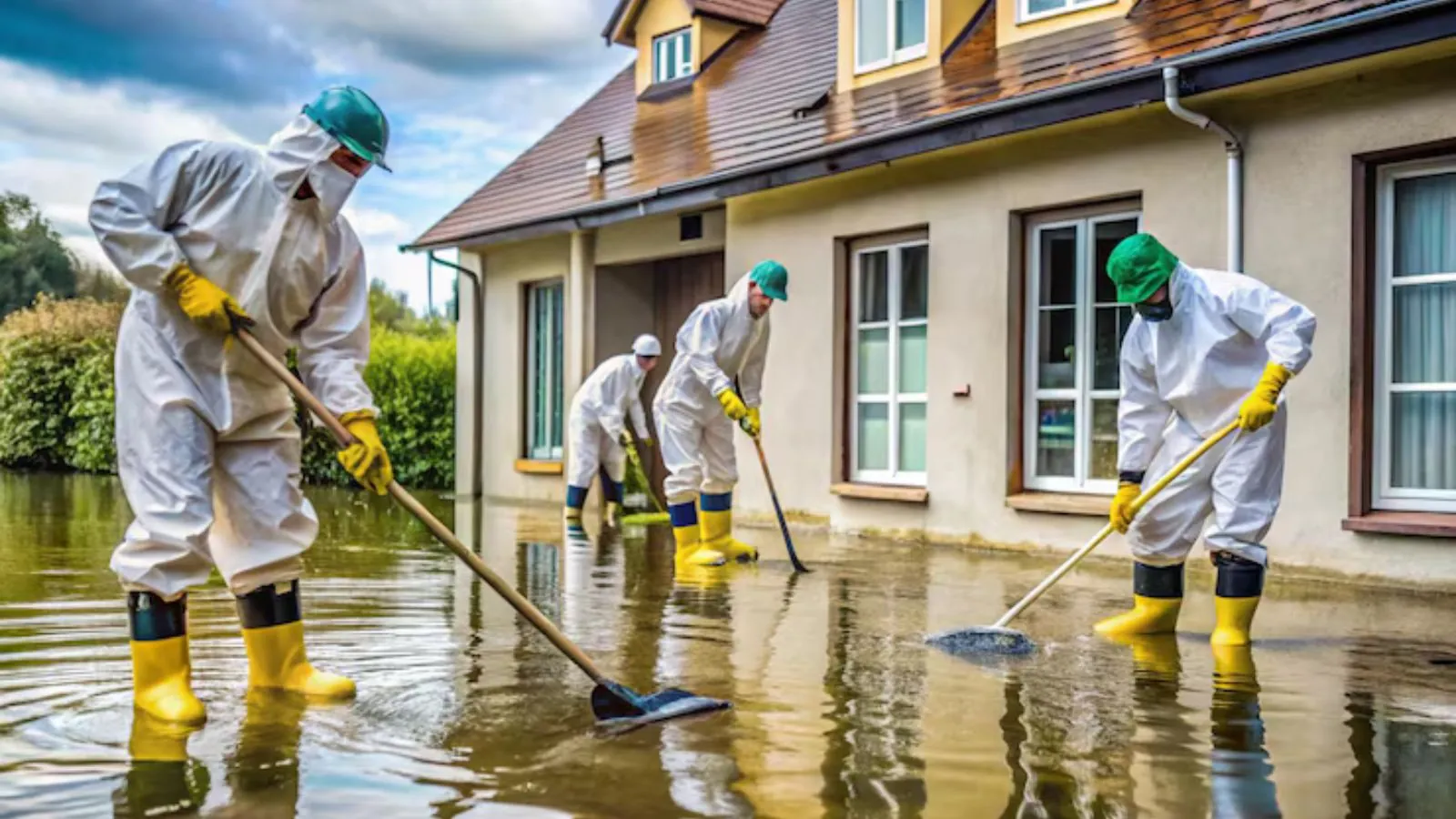
Emergency Flood Damage Restoration in Sachse, TX
Storm water, sewage backups and creek overflow carry contamination that clean-water leaks do not. Our 24/7 line sends crews to Sachse, Garland, Wylie, Rowlett and Lavon.
Emergency flood damage restoration in Sachse means dealing with water that came from outside the plumbing system. Heavy rain, a creek over its banks or a sewer backup brings contamination that a burst pipe does not, and our line is open 24/7 for it. Until help arrives, stay out of standing water that touches outlets, keep power off in affected areas, lift valuables to higher shelves and take photos before you touch anything.
When flood water is an emergency
- Water is entering from outside. Closing doors and vents will not slow it, so leave the work to crews and move people to dry rooms.
- Water is rising near the electrical panel. Do not touch the panel. Call the utility or 911 for any electrical or gas concern first.
- Sewage is backing up through drains. Stop using water, keep people and pets out and call the city sewer number before calling us.
- Roads around you are flooded. Do not drive through water, since depth is hard to judge.
- Your neighbors have water too. Crews book up fast during area-wide storms, so call as soon as you can.
Why flood water is treated differently
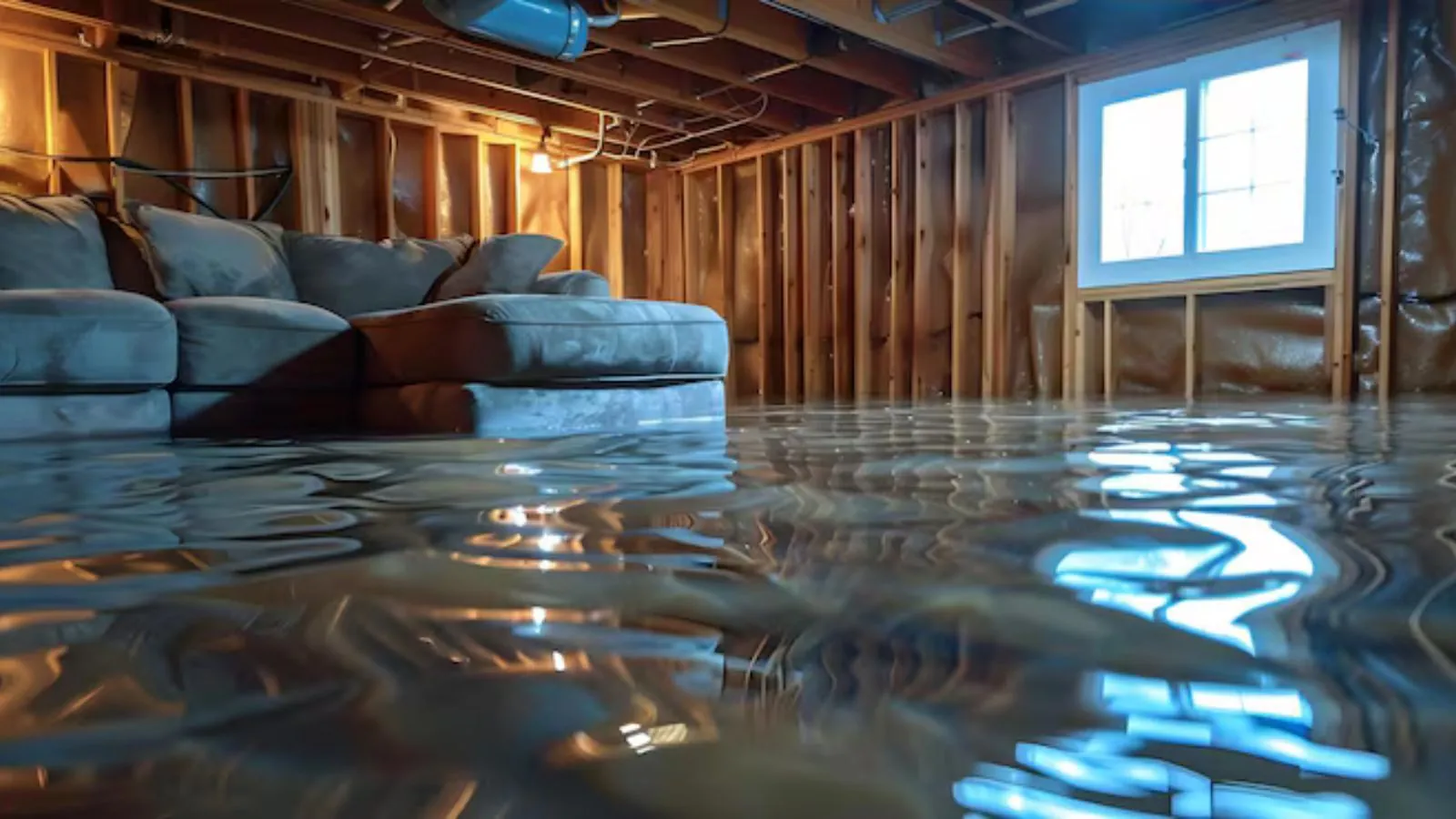
Clean water from a supply line is the best case. Flood water and sewage are classed as Category 3 by the ANSI/IICRC S500 standard, which means contaminated and unsafe for contact. Even clean rain water that entered through a roof becomes suspect once it soaks through attic insulation and ceiling drywall.
That is why flood restoration removes more than a leak job does. Carpet, pad, insulation and wet drywall below the water line are usually cut out, and hard surfaces are sanitized before drying begins. Skipping that stage leaves a damp, contaminated structure.
Flooding around Sachse
Two local features matter for flood questions. Muddy Creek runs near the city, and a USGS gage at Creek Crossing Lane tracks a 28.1 square mile drainage area. The city also maintains Muddy Creek Preserve at 5400 Pleasant Valley Road.
The city site does not publish a floodplain map in the sections we reviewed, so the reliable source is FEMA's Map Service Center for your address. DFW averages 37.01 inches of precipitation a year, based on 1991 to 2020 National Weather Service normals, and a few inches of rain in a short window can send runoff toward garages and low yards anywhere in the region.
Sewage backup cleanup
Sewage backup is the situation that scares homeowners most, and with good reason. The sequence matters: first the line has to be cleared, then the contaminated water removed, then the area sanitized and dried.
In Sachse the city is responsible for the sewer main and the service lateral up to your property line, and for an after-hours backup it directs residents to Police Dispatch at 972-495-2271, option 2. If the blockage is on your side of the line, call a plumber as well. A restoration crew handles what is inside the house: extraction, removal of porous materials, sanitizing and drying.
Do not run washers, showers or toilets while a backup is active, because every flush sends more water to the lowest drain. Keep children and pets out of the area until it has been sanitized.
Storm damage and roof leaks
Heavy rain does not need a river to cause flood damage. Wind-driven rain through damaged shingles, a broken window or a failed flashing soaks ceilings and walls from above. The North Texas region has seen violent storms, including the December 26, 2015 EF-4 tornado that crossed Garland and Rowlett and ended at Lake Ray Hubbard, according to the National Weather Service.
After any storm, tarp or cover openings when it is safe and photograph the damage. Texas insurers generally want you to protect the property from further damage, and the state insurance department says the insurer should see the loss before anything permanent is built.
Flood insurance and what to ask
Standard homeowner policies exclude flood. The Texas Department of Insurance says a separate flood policy is required, so check whether you have one before a storm season starts. Policies also differ on water that backs up through a sewer or drain, so ask your insurer about that wording.
After a loss, keep damaged items until the adjuster has seen them and keep receipts for emergency steps. We provide photos, moisture readings and a written scope for your records. The insurer decides coverage.
What changes the price of flood restoration
Contamination level, the depth and area flooded, the number of days of drying, how many materials must be removed and how much rebuilding follows all change the scope. Two homes flooded the same night can have very different bills. A technician measures first and explains the scope and price before work starts.
Crews serve Garland, where the city reports about 2,400 acres of 100-year floodplain along Duck, Rowlett and Spring Creeks, and Rowlett beside Lake Ray Hubbard, as well as Sachse. Call (972) 945-2885 and describe the damage.
Frequently asked questions
Yes. Dispatch is open 24/7, including during storms, and crews respond the same day when available. A real flood can strain every restoration company in North Texas at once, so call early and describe the situation clearly.
We do not promise an arrival time. Dispatch tells you what to expect when you call.
The Texas Department of Insurance says home policies do not cover floods and that a separate flood policy is needed. Water from a burst pipe is treated differently from rising water outside, so the cause of the loss matters.
Ask your insurer or agent what your policy says. We can document the damage, but coverage decisions belong to your insurer.
Check the FEMA flood map for your address through FEMA's Map Service Center, and ask the City of Sachse Development Services at 469-429-4781 about floodplain questions. Maps change, so look at the current one.
A home outside a mapped zone can still flood, which is why many owners near Muddy Creek or low spots ask about a separate flood policy.
Floodwater and sewage are Category 3 water under the ANSI/IICRC S500 standard. They can carry contamination from yards, streets and sewer lines, so wet porous materials are usually removed and surfaces are sanitized.
Wear waterproof boots and gloves if you must enter, keep children and pets out and leave electrical power off in the affected area until it is checked.
Flood restoration covers the full job after outside water, sewage or heavy rain enters a home, from extraction through drying and removal of contaminated materials. Water damage cleanup focuses on the debris removal, sanitizing and deodorizing stage.
On a flood job both steps happen, and drying comes in between through water mitigation.
Yes, from the inside of the house. Sewer mains and laterals up to the property line belong to the city, and after-hours backups are reported to Police Dispatch at 972-495-2271, option 2.
Once the line is clear, we remove contaminated material, sanitize and dry the area.
Water spreading right now? Call the 24/7 line
A restoration crew can be sent to Sachse and nearby towns around the clock. Tell dispatch what happened and what you can see.
☎ Call (972) 945-2885