Mold and Mildew Removal in Sachse, TX: DIY or Hire a Pro?
The two words get used interchangeably, and the answer to whether you can handle it depends on size, surface and cause. Use this guide to decide.
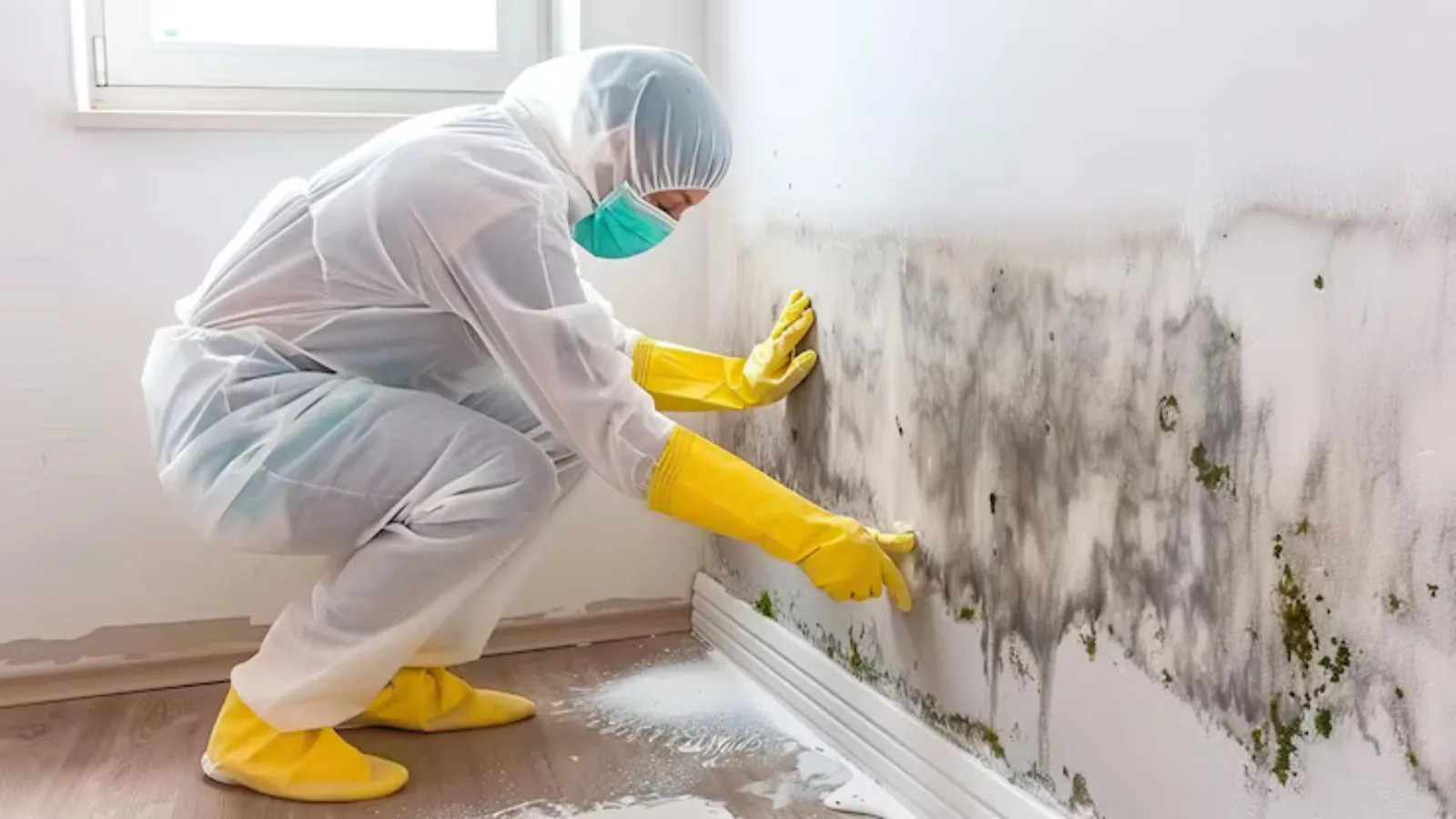
Mold and mildew removal comes down to three decisions: how much there is, what it is growing on and why it is wet. Small patches on hard surfaces can be cleaned at home. Large areas, soft materials and growth that returns call for drying the structure and, in Texas, a licensed remediator once the area reaches 25 contiguous square feet.
Mold versus mildew
Mildew is often used for flat, powdery surface growth on damp bathroom or window surfaces. Mold is the wider term and includes growth that works into porous material. You do not need to name which one you have to decide what to do. The question is whether the surface is hard or soft and whether the moisture is still there.
We do not make health claims about either. For health questions, talk with a physician.
A simple decision guide
| Situation | Likely route | Why |
|---|---|---|
| Small spot on tile or grout | DIY cleaning | Hard surface, easy to dry |
| Spot on painted drywall, dry | DIY cleaning, watch for return | Surface only if the wall is dry |
| Soft or crumbling material | Remove and replace | Cannot be cleaned reliably |
| 25 contiguous sq ft or more | Licensed remediator | Texas rule |
| Returns within weeks | Find the leak first | Source is still wet |
| After a large water loss | Dry, then assess | Moisture drives growth |
DIY cleaning steps
- Fix the moisture first. Stop the leak or the humidity source.
- Protect yourself. Gloves, eye protection and a mask.
- Contain the area. Close doors and avoid spreading dust.
- Scrub with detergent. Rinse and dry completely.
- Dispose of porous items. Seal them in a bag.
Do not use a household vacuum on mold, and do not paint over damp surfaces. Painting hides growth and often fails within weeks.
When to bring in a licensed remediator
The Texas Department of Licensing and Regulation requires a licensed remediator for mold areas of 25 contiguous square feet or more, along with a notification. Assessors and remediators cannot work the same project, which keeps the final check independent. Ask for the license, a written protocol and a clearance check.
A good company never promises mold will not return. It promises to dry and clean the area, remove what must go and tell you what caused the moisture.
Drying is half the job
Mold needs moisture. Where water damage came first, dry the structure with air movers and dehumidifiers and take readings until the materials are dry. Growth can begin within a day of a leak, according to the state insurance department, so speed matters. See water mitigation for how drying is done.
Insurance treats mold with care. TDI notes that cleanup and testing are often excluded or limited, so read the mold section of your policy.
Everyday habits that help
Run bathroom and kitchen fans, fix drips quickly and keep indoor humidity in check. Clean the drain pan on the air conditioner if you can reach it, and make sure the condensate line drains outside. Keep stored items a few inches from exterior walls so air can move.
Wipe up spills the same day and dry wet towels and rugs. These habits cost little and stop most surface growth before it begins.
Signs you should not wait
A spot that grows after cleaning, a musty smell with no visible source, bubbling paint and soft drywall all suggest moisture inside the wall. Several rooms affected at once also points to a bigger source, such as a leak, an air conditioning problem or a roof issue.
Sachse notes: summer, slabs and sources
Warm months in Sachse put air conditioners to work, and condensate lines, ducts and attic leaks can feed growth. DFW's normal January low is 36.1 degrees, with the first freeze around November 22 and the last around March 12, so the rest of the year runs warm and humid enough for drain lines to run often.
Most homes are on slabs, and basements are uncommon in Texas according to KUT. Before a rebuild, Development Services at 469-429-4781 can tell you whether a permit applies.
Putting it together
Start small, fix the source and escalate if the area is big, soft or persistent. After the dry-out, water damage repair handles the rebuild.
We serve Sachse, Wylie and Rowlett. Call (972) 945-2885 to describe your situation.
Frequently asked questions
Mildew is a term for surface growth, often flat and powdery, on damp plants and household surfaces. Mold is the broader term and can grow deeper.
In practice, both mean there is moisture, and both are handled the same way: dry, clean and fix the source.
Detergent and water work on hard surfaces, and the key step is drying. Do not mix bleach with ammonia or acids.
Chemicals do not fix a moisture problem, and porous materials may need removal.
The Texas Department of Licensing and Regulation sets the line at 25 contiguous square feet. Under that, unlicensed cleanup is allowed. At or above it, a licensed remediator is required.
Soft materials and repeat growth are reasons to call at any size.
Air conditioning produces condensation, and DFW averages 37.01 inches of precipitation a year. Drain lines, ducts and attic leaks can feed growth in warm months.
Check condensate lines if you see growth near vents.
Water spreading right now? Call the 24/7 line
A restoration crew can be sent to Sachse and nearby towns around the clock. Tell dispatch what happened and what you can see.
☎ Call (972) 945-2885