What Drives Water Damage Repair Cost in Sachse, TX
No honest article can quote your price without seeing the damage. This one explains what moves the number so you can read an estimate with confidence.
Water damage repair cost in Sachse depends on the type of water, the area affected, how long it sat, which materials got wet and how much has to be rebuilt. There is no flat price. A reliable estimate comes after moisture readings, and it should list what is removed, what is dried and what is replaced.
The big five cost drivers
- Water category. Clean, grey or contaminated water changes what can be saved.
- Affected area. Square footage and the number of rooms set equipment and labor.
- Time elapsed. Water that sits longer spreads and soaks deeper.
- Materials. Hardwood, tile, carpet and drywall behave differently.
- Rebuild scope. Cabinets, flooring, paint and trim add up after demolition.
The same two-room leak can cost very different amounts if one involved clean water and was dried in a day, and the other involved a backup and sat a week.
Water category and class
The ANSI/IICRC S500 standard sorts water into categories by contamination, and into classes by how much of the building was wet. Category 1 is clean water from a supply line. Category 2 carries some contamination, such as a dishwasher discharge. Category 3 is grossly contaminated, such as sewage or flood water.
Higher categories mean more removal of porous material and more cleaning. Classes describe how much moisture the materials hold, and higher classes need longer drying. We name the standard for reference only. See flood damage restoration for contaminated cases.
Mitigation costs and repair costs
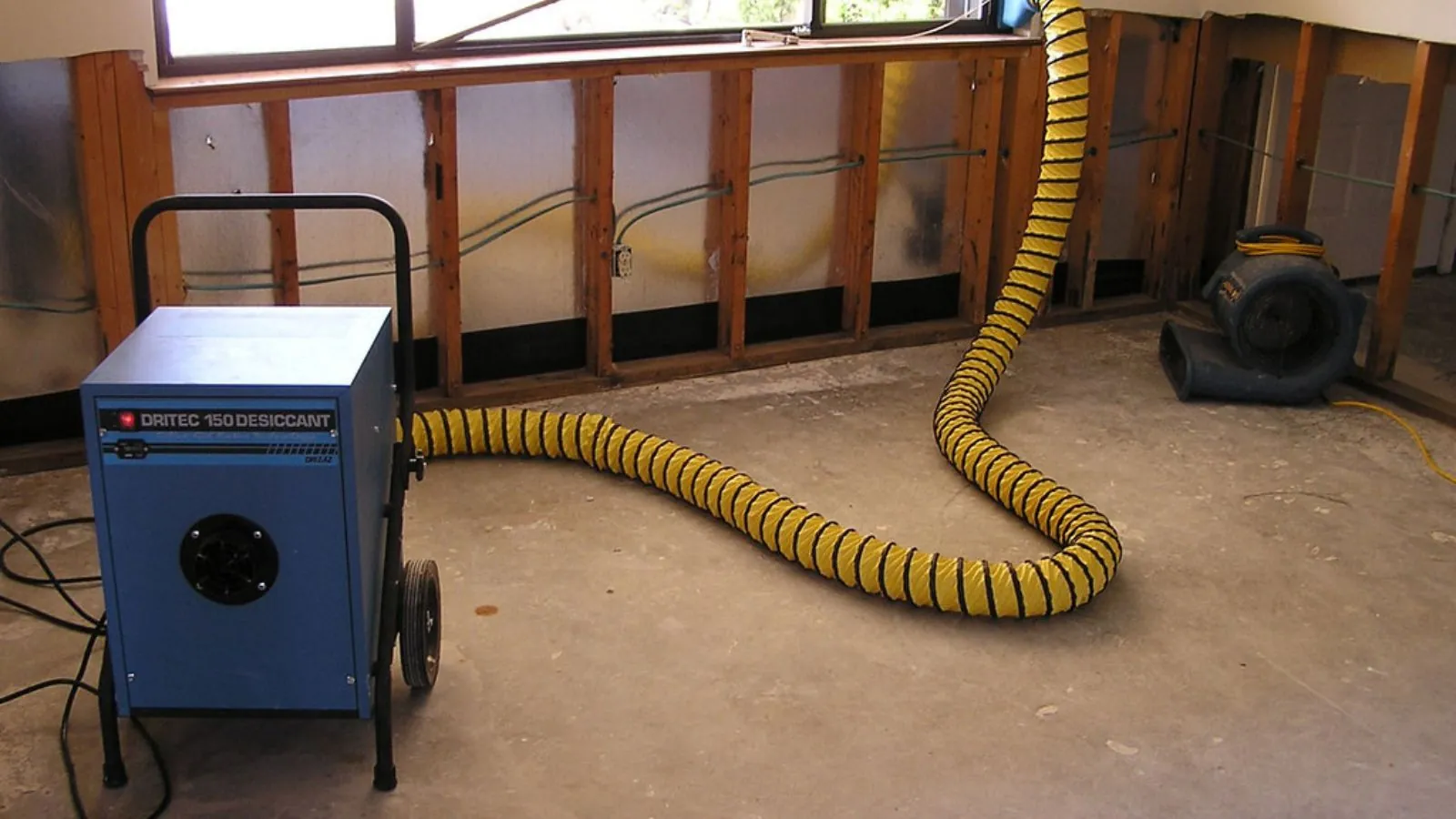
Mitigation is the emergency work: extraction, removal of wet material, drying equipment and monitoring. Repair is the rebuild: drywall, paint, flooring and cabinets. A good scope separates the two, because mitigation is time sensitive and repair is not.
| Phase | Typical contents | What drives the price |
|---|---|---|
| Extraction | Water removal | Volume and access |
| Demolition | Wet drywall, flooring, insulation | Area and material |
| Drying | Air movers, dehumidifiers, monitoring | Days of equipment and rooms |
| Cleaning | Surfaces, contents | Category and contents |
| Rebuild | Drywall, paint, flooring, trim | Finish level and area |
Reading an estimate
Look for the list of rooms, the measurements, the equipment and the plan for each material. Ask what happens if readings do not drop on schedule. A vague line such as "water damage work" is a red flag. Scope and price should be explained before work starts.
Compare estimates on the same basis. One may include the rebuild and another only the dry-out. Ask each contractor to separate mitigation from repair so you can compare.
Insurance and cost
If you file a claim, the insurer sets what it pays based on your policy. Sudden and accidental damage is generally covered while gradual leaks are not, according to the Texas Department of Insurance, which also urges owners to let the insurer inspect first. Deductibles and exclusions affect what you pay out of pocket.
Keep a record of moisture readings, photos and itemized invoices. They support the claim. See water damage cleanup for the removal phase.
Questions that reveal a fair estimate
Ask what is included in each line and what happens if the scope grows. Ask whether equipment days are fixed or based on readings, and whether disposal is included. Ask who pulls permits when they are needed.
An estimate that explains its assumptions is easier to trust than a single total. If two estimates differ widely, compare the lists line by line to find out why.
What can raise the price unexpectedly
Hidden damage found after demolition, mold discovered behind a wall, asbestos or lead paint in older materials and delays in drying can all change the scope. Reasonable contractors explain these possibilities up front and agree on how changes will be handled.
Sachse notes: local factors
Sachse is a growing suburb. The Census Bureau counted 27,103 residents in 2020 and estimates 32,834 for 2025, and 84.7 percent of homes are owner occupied, so most jobs are homeowner decisions. Permits matter for rebuild work, and the city's rule for construction and repair decides who pulls one. Development Services is at 469-429-4781.
Slab foundations are common in North Texas, which means water often spreads under flooring rather than down into a basement. That can widen the dry-out even when the visible damage is small.
Ways to keep costs down
Act within hours, not days. Shut off the water, remove what you safely can and call for drying. Take photos before anything is moved. Let the insurer inspect before you rebuild, and keep receipts.
We serve Sachse, Garland and Lavon. Call (972) 945-2885 and describe what happened.
Frequently asked questions
The cost depends on how far the water spread, what materials got wet and how long it sat. Those facts need moisture readings.
A phone number is a range at best, and anyone quoting a flat price sight unseen is guessing.
Yes. The ANSI/IICRC S500 standard classes water by contamination, and dirtier water means more removal and more disposal. A clean supply line break is Category 1, while sewage is Category 3.
The category also affects which materials can stay.
Usually. Mitigation is the dry-out, and repair is rebuilding what was removed. They can be scoped separately, and many insurers handle them in stages.
Ask for each in writing.
Square footage matters less than affected area and materials. A small leak in a large home is a small job.
The median value of an owner-occupied home in Sachse is $406,200 according to the Census Bureau, so finishes can add up when floors and cabinetry are involved.
Water spreading right now? Call the 24/7 line
A restoration crew can be sent to Sachse and nearby towns around the clock. Tell dispatch what happened and what you can see.
☎ Call (972) 945-2885