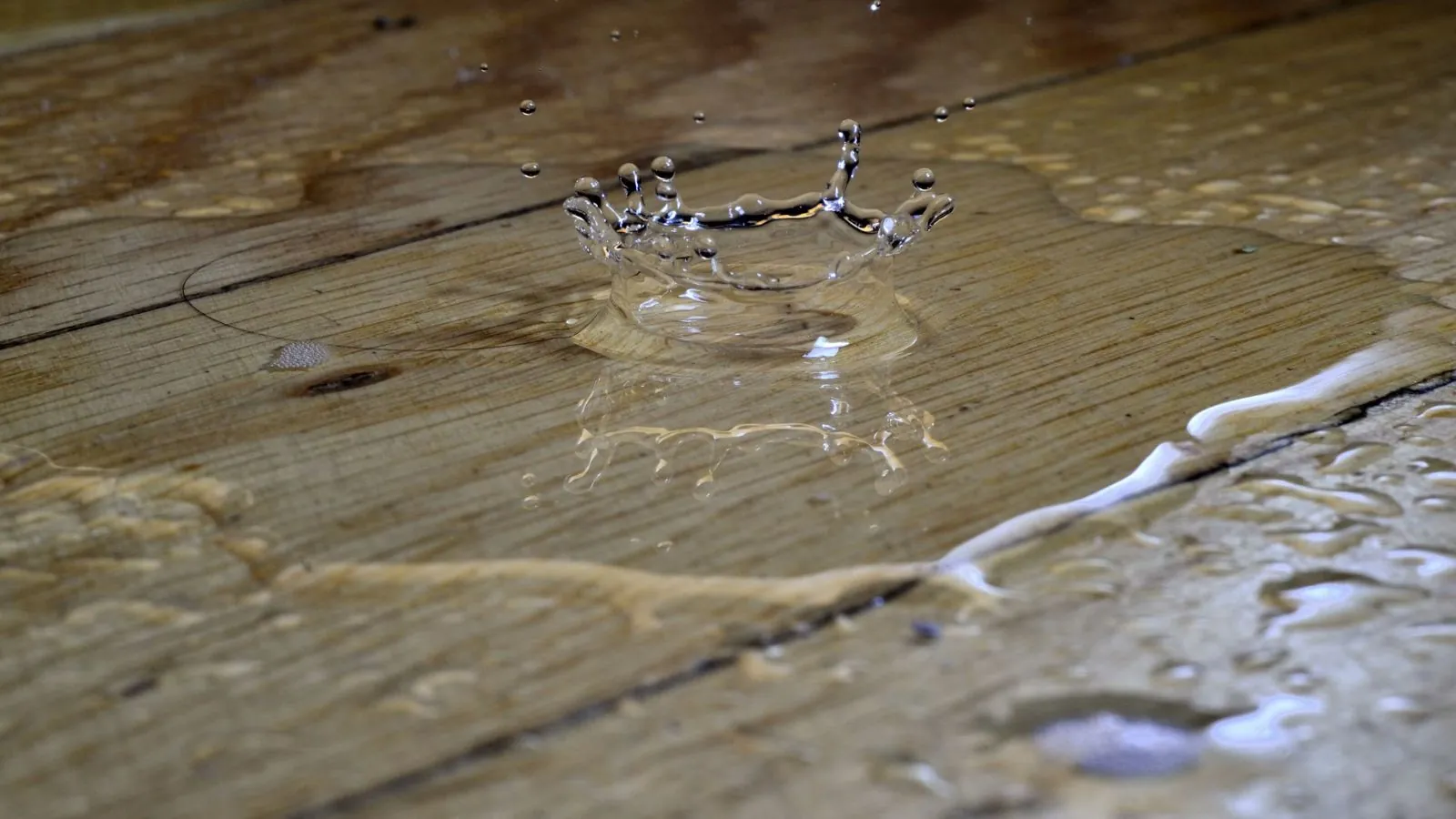
Water Damaged Hardwood Floors in Sachse, TX: Can They Be Saved?
Sometimes yes. The answer depends on the type of water, how long the boards were wet and how they look today. Use this checklist before you tear anything out.
Water damaged hardwood floors in Sachse can often be saved when the water was clean and the drying started quickly. They usually cannot be saved when boards have buckled, split or sat in contaminated water. Do not sand or refinish yet. First find out how wet the boards and the subfloor really are, and keep foot traffic off the area.
Read the boards before you decide
- Slight cupping with edges raised. Often reverses as the floor dries.
- Crowning in the middle. Can happen if the surface dried faster than the underside.
- Buckling off the subfloor. Usually means boards have to come up.
- White or black staining. Indicates long exposure and may point to mold.
- Soft spots. Wood fibers have broken down and the board should be replaced.
Press along suspect boards with a screwdriver tip and look for movement, gaps or dark staining. Photograph each area before touching anything else.
The first 48 hours matter most
Water that is removed and dried quickly does the least harm. Pull standing water with a wet vacuum, remove rugs and furniture, and open any rooms nearby so moisture can escape. Wipe up surface water, then call for readings and drying.
Slab foundations are common in North Texas, so water often travels under flooring to the next room. A leak in the kitchen may be soaking floors in the dining room, and a thermal camera can show the path without removing boards.
When drying works and when it does not
| What happened | Likely outcome | Next step |
|---|---|---|
| Clean supply line leak caught within a day | Boards often dry flat | Dry, then sand and refinish if needed |
| Water sat several days | Boards cup or crown, some may need replacing | Dry slowly, then reassess |
| Dishwasher or washer discharge | Boards may need replacement | Technician reviews readings |
| Sewage or flood water | Replace affected boards | Remove and sanitize |
| Water trapped under finish for weeks | Staining and gaps are likely | Remove damaged boards and dry the subfloor |
What professionals do differently
Technicians use floor mats or drying panels that pull moisture through the boards, along with dehumidifiers that lower the humidity in the room. Boards are monitored with a moisture meter daily so the drying curve is gentle. If gaps form after drying, filling or replacing a few boards may be enough.
If mold appears, mold remediation comes before flooring work. The water damage repair page explains how repairs follow a dry-out.
Mistakes that ruin a floor that could have been saved
Covering the floor with a rug or plastic traps moisture. Walking on wet boards can break the finish. Using a household heater creates uneven drying and splits boards. Waiting a week to see what happens gives mold time to start.
Sanding a floor that still reads wet is the costliest error, because it removes finish and wood and then fails again when moisture leaves.
Questions to ask before replacing
Ask whether the boards can be dried first, whether replacement can be limited to damaged areas and whether the old and new boards will match. Ask for moisture readings before and after drying so you can compare.
Sachse notes: homes, timing and claims
The Census Bureau reports a median owner-occupied home value of $406,200 in Sachse for 2020 to 2024, and 84.7 percent of homes are owner occupied. For many homeowners, hardwood is a significant part of that value, which makes accurate documentation worth the effort.
With a claim open, leave the replacement flooring uninstalled until the adjuster has visited, and set aside a few damaged boards as proof. If your hardwood loss follows a pipe break, document the source with photos before the plumber repairs it.
How to talk to a flooring contractor
Ask for moisture readings in writing, the plan for the subfloor and how new boards will be finished to match. A contractor who proposes to refinish a floor that has not been checked for moisture is guessing.
We serve Sachse, Wylie and Lavon, and the same line handles emergency water removal when floors are flooded. Call (972) 945-2885 and tell dispatch what the boards look like right now.
Frequently asked questions
There is no fixed number. Clean water that is dried within a day or two often leaves boards that flatten. Water that sits for days, or contaminated water, usually means replacement.
A moisture meter reading tells you more than the calendar.
Fans can help in the first hours, but they do not reach the subfloor or the gap under boards. Rapid heat can also split the wood.
Professional drying uses controlled air and dehumidifiers, with readings to guide the pace.
Frozen pipes split in many North Texas homes that week. The North Texas Municipal Water District asked customers to curtail non-essential use from February 17 until February 25, 2021, and warned that thawing would cause more ruptured pipes.
Pipes split while frozen and leaked on thaw, so floors in walls-adjacent rooms were exposed.
Yes. Dishwasher discharge is classed as Category 2 water, while a clean supply line break is Category 1 under the ANSI/IICRC S500 standard. Category 2 water carries contamination, so boards that stayed wet may be replaced.
A technician decides based on readings and the source.
Water spreading right now? Call the 24/7 line
A restoration crew can be sent to Sachse and nearby towns around the clock. Tell dispatch what happened and what you can see.
☎ Call (972) 945-2885